Picking the right laptop in 2026 isn’t about chasing the biggest number on a spec sheet anymore. Between Apple Silicon, Qualcomm’s Snapdragon X2 Elite, RTX 50-series GPUs and a wave of genuinely excellent OLED panels, almost every laptop on the market can look impressive on paper. The difference between a great laptop and a merely good one comes down to how all of that hardware behaves together — sustained performance under real workloads, battery life that survives a full day away from a charger, a chassis that doesn’t flex or creak, and a keyboard and trackpad you can actually stand using for eight hours.
I put together this ranking by comparing performance benchmarks, thermal behavior, real-world battery testing, display quality, build quality and long-term value across the strongest laptops currently available — then ranked them strictly from best overall to tenth place. No category splitting, no “best for X” silos — just one definitive list.
Here are the top 10 best laptops of 2026, ranked from best to worst.
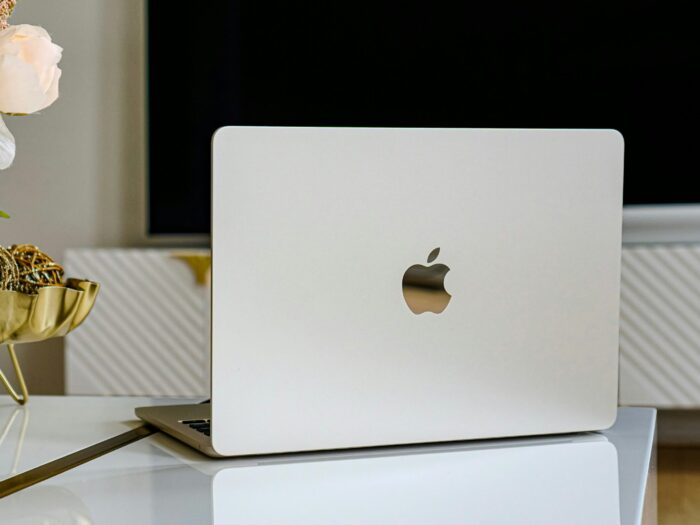
1. Apple MacBook Air (M5)
The MacBook Air remains the single best laptop you can buy for the widest range of people, and the M5 refresh only widens the gap. The chip delivers outstanding single- and multi-core performance while staying completely silent thanks to the fanless design. Battery life regularly stretches past 15–18 hours of real use, the Liquid Retina display is bright and color-accurate, and the aluminum unibody still feels premium years into ownership.
The keyboard and trackpad remain best-in-class, and it comfortably handles everyday work, light photo/video editing, coding and heavy multitasking. Its only real limitation is that it’s not built for sustained GPU-heavy workloads — gamers and 3D artists will want something else.
Best for: Students, professionals, and anyone who wants a laptop that simply works without drama.
2. Apple MacBook Pro 16-inch (M5 Pro / M5 Max)
When raw sustained power and display quality matter more than portability, the 16-inch MacBook Pro sits above everything else. The M5 Pro/Max combines extremely strong CPU and GPU performance with a Mini-LED XDR-class display, excellent speakers and genuinely impressive battery efficiency for a machine this powerful.
Unlike most Windows laptops, it delivers full, unthrottled performance whether it’s plugged in or running on battery — a huge advantage for video editors, developers and 3D artists who work on the move. The chassis, keyboard and trackpad are all excellent, and on-device AI features add real day-to-day utility.
Best for: Creative professionals, developers and power users who need maximum performance without compromise.
3. Asus ROG Zephyrus G16
The Zephyrus G16 is proof that a “gaming laptop” no longer has to look or feel like one. It packs high-end Intel/AMD processors and up to RTX 5080-class graphics into a slim, CNC-machined aluminum chassis with a stunning high-refresh OLED display and genuinely rigid build quality.
Thermal management is excellent for a laptop this thin, the keyboard is great for both typing and gaming, and non-gaming battery life beats most of its gaming-laptop peers. It’s one of the very few machines equally comfortable in a boardroom and on a desk for serious gaming at night.
Best for: Students, developers, creators and gamers who want one laptop that does everything well.
4. Asus Zenbook A14
The Zenbook A14 is the strongest proof yet that ARM-based Windows laptops have arrived. Powered by Qualcomm’s Snapdragon X2 Elite, it edges out even the MacBook Air in multi-core benchmarks while running silent and cool, and its “Ceraluminum” chassis feels more premium than its price suggests at just 2.4 pounds.
Battery life is the standout feature — testing regularly shows 24+ hours on a single charge, enough to skip the charger for two full workdays. The OLED display is vivid, the keyboard is cushioned and comfortable, and the trackpad is smooth and precise.
Best for: Anyone who wants near-MacBook Air efficiency and battery life on Windows, at a lower price.
5. Dell XPS 13 / XPS 14 (2026)
Dell’s XPS line remains the benchmark for premium Windows ultraportables. The CNC aluminum chassis feels genuinely expensive, the high-resolution OLED touchscreen options are sharp and vibrant, and battery life comfortably clears a full workday even on the smaller 13-inch model.
Even the lower-tier configurations feel smooth day-to-day thanks to efficient modern chips. The minimalist design won’t suit everyone — some users may prefer more traditional ports and physical function keys — but for pure design and build quality, few Windows laptops come close.
Best for: Professionals and creators who want a premium Windows design with strong everyday performance.
6. Lenovo Legion Pro 7i
For raw, sustained gaming and workstation performance, the Legion Pro 7i is hard to beat. Lenovo pushes higher sustained wattage to its RTX graphics than most competitors, backed by a massive vapor chamber cooling system that keeps performance consistent during long sessions rather than throttling under load.
The high-refresh OLED display, strong keyboard and flexible performance-mode controls make it as capable for game development and 3D rendering as it is for gaming itself. The trade-off is weight and battery life — this is a desktop replacement, not a travel companion.
Best for: Gamers, game developers and 3D artists who prioritize sustained performance over portability.
7. Razer Blade 16
The Razer Blade 16 delivers most of what makes the larger Blade 18 impressive in a genuinely portable 16-inch shell. The CNC-machined aluminum chassis looks and feels luxurious, the high-refresh OLED panel is outstanding, and configurations with the latest RTX 50-series GPUs deliver desktop-class performance without looking like a typical gaming laptop.
It’s not cheap, and some competitors offer similar raw performance for less money — but for build quality and design polish in a high-performance package, it’s one of the best-looking gaming laptops available.
Best for: Gamers and creators who want premium design alongside serious performance.
8. HP OmniBook Ultra 14
The OmniBook Ultra 14 is HP’s most complete Windows laptop yet — a compact, rigid design with a keyboard and touchpad that genuinely rival Apple’s. Performance stays consistently strong across both Intel and Qualcomm configurations, and battery life comfortably clears a full workday.
The 2.8K OLED display is sharp and vibrant, and while port selection is limited, it covers the essentials. Pricing can fluctuate, so it’s worth catching it on sale — but as an everyday productivity machine, it’s tough to beat.
Best for: Professionals who want a premium, no-compromise Windows productivity laptop.
9. Apple MacBook Neo
Apple’s most disruptive release in years. Priced well below any previous MacBook, the Neo still delivers Apple’s signature build quality, keyboard, trackpad and long battery life. The A18 Pro-class chip shares enough architecture with Apple’s M-series to make everyday tasks — browsing, email, documents, light photo work — feel instant.
The trade-offs are real: 8GB of RAM with no upgrade path, no backlit keyboard, no Thunderbolt, no Touch ID on the base model. But for students, casual users or anyone curious about macOS without spending four figures, it’s a genuine revelation — and it forced the entire budget Windows segment to raise its game.
Best for: Students, casual users and anyone who wants an Apple-quality experience on a tight budget.
10. Framework Laptop 13 / 16
Framework closes out the list with something none of the other nine laptops offer: a fully modular, genuinely repairable design. You choose your own ports through hot-swappable expansion cards, you can upgrade the mainboard years down the line instead of replacing the entire laptop, and a broken screen or degraded battery can be swapped yourself in minutes.
Performance is solid rather than class-leading, and the chassis lacks the ultra-refined unibody feel of a Mac or Razer — that’s the trade-off for modularity. It ranks tenth because this approach isn’t for the average buyer, but for anyone who cares about longevity and the right to repair, nothing else on this list compares.
Best for: Tech enthusiasts and anyone who wants a laptop built to be upgraded and repaired, not replaced.
Top 10 Best Laptops — Quick Comparison
| Rank | Laptop | Best For | Main Strength |
|---|---|---|---|
| 1 | MacBook Air (M5) | Most people | Performance + battery + build quality |
| 2 | MacBook Pro 16 (M5 Pro/Max) | Creative pros | Sustained power + display |
| 3 | Asus ROG Zephyrus G16 | All-rounders | Gaming power in a slim body |
| 4 | Asus Zenbook A14 | Windows efficiency seekers | Battery life + performance |
| 5 | Dell XPS 13/14 | Design-focused professionals | Build quality + display |
| 6 | Lenovo Legion Pro 7i | Serious gamers | Sustained gaming performance |
| 7 | Razer Blade 16 | Premium gaming | Design + power |
| 8 | HP OmniBook Ultra 14 | Everyday productivity | Balanced, no-compromise Windows |
| 9 | MacBook Neo | Budget buyers | Apple quality at low price |
| 10 | Framework Laptop 13/16 | Enthusiasts | Repairability + upgradability |
How to Choose the Best Laptop for You
- Performance: If you regularly run demanding applications, compile large projects, edit video or play modern AAA games, prioritize a powerful processor and a dedicated GPU.
- Graphics: A dedicated GPU matters for gaming, 3D rendering and video-heavy creative work. Integrated graphics are usually enough for browsing, office tasks and everyday coding.
- Display: Look for a high-quality OLED or IPS panel with good brightness, accurate colors and a refresh rate that matches how you’ll use it.
- Battery Life: If you’re frequently away from a charger, battery efficiency can matter more than raw speed. ARM-based Windows laptops and Apple Silicon systems have a clear edge here.
- Build Quality: Aluminum chassis, sturdy hinges, a good keyboard and a reliable trackpad make a real difference over years of daily use.
- Cooling: High-performance components generate real heat — gaming and workstation laptops need strong sustained cooling to avoid throttling.
- RAM and Storage: 16GB of RAM is a sensible minimum in 2026; 32GB is preferable for development, creative work and heavier multitasking. 1TB of storage offers far more headroom than entry-level configurations.
Final Thoughts
The best laptop in 2026 isn’t the one with the highest benchmark score — it’s the one that balances performance, display quality, battery life, build quality and everyday usability without asking you to compromise on the things you’ll notice every single day.
The MacBook Air (M5) remains the safest, most complete recommendation for most people, while the MacBook Pro 16 and Legion Pro 7i cover the extremes of creative and gaming performance.
If value matters most, the Zenbook A14 and MacBook Neo both punch well above their price, and the Framework Laptop offers something no one else does: a laptop built to last.
Prices, configurations and availability shift constantly, so it’s always worth double-checking the exact processor, GPU, RAM and storage configuration before buying.