Every culture has a dish it turns to when the world feels a little too heavy — a bowl, a plate, a wrap that tastes like home even if home is thousands of miles away. Comfort food isn’t just about hunger; it’s about memory, safety, and identity. Psychologists have found that these dishes work almost like emotional anchors — the smell and texture alone can lower stress before the first bite is even swallowed. Here are 10 dishes from around the globe that prove comfort has no single flavor, language, or continent — and the science behind why we keep coming back to them.
1. Ramen — Japan
East Asia
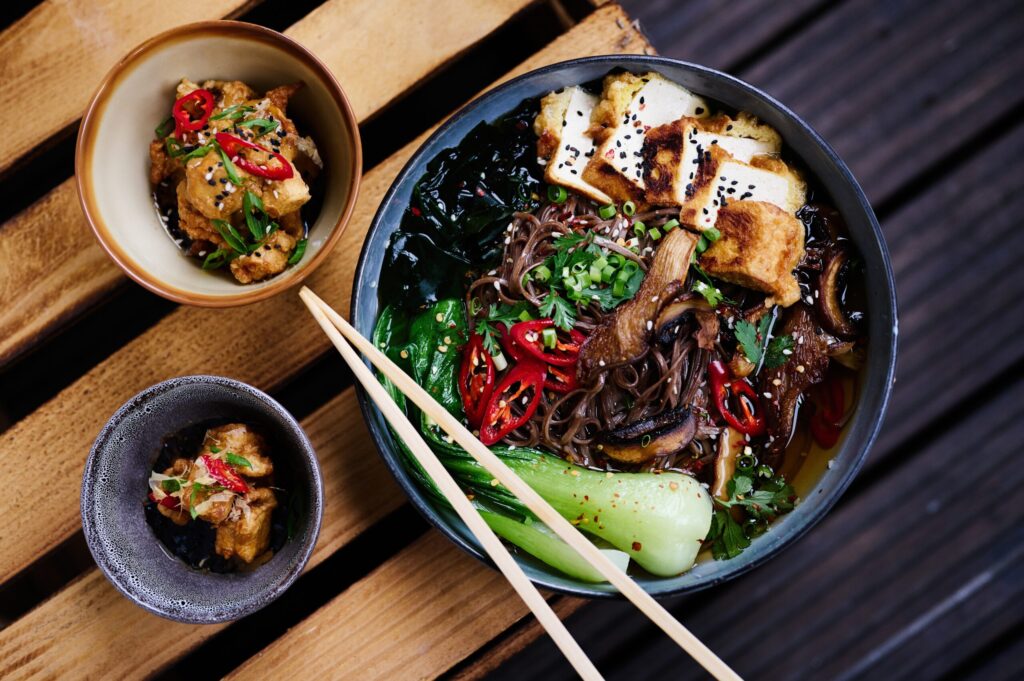
Rich broth simmered for hours, springy noodles, and toppings you can customize endlessly — soft egg, chashu pork, nori, scallions. Ramen became a global comfort symbol because it hits every craving at once: warmth, salt, fat, and umami, the “fifth taste” that makes food feel deeply satisfying rather than just filling. In Japan, slurping a bowl alone at a counter is considered completely normal — it’s a solitary comfort ritual as much as a social one.
2. Mac and Cheese — United States
North America
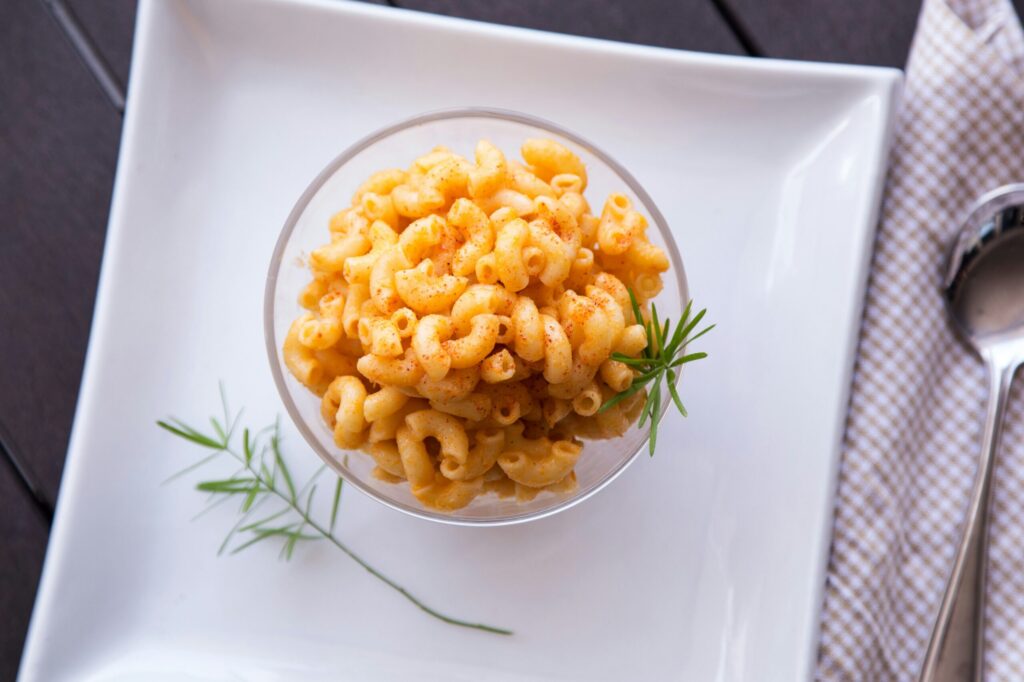
A childhood staple that follows Americans into adulthood, showing up at holidays, potlucks, and late-night cravings alike. Creamy, cheesy, and endlessly nostalgic, it’s consistently ranked among the top comfort foods in US surveys. Part of its power is texture — the softness of pasta and sauce mimics foods we’re fed as infants, which some researchers link to a subconscious sense of safety.
3. Pierogi — Poland
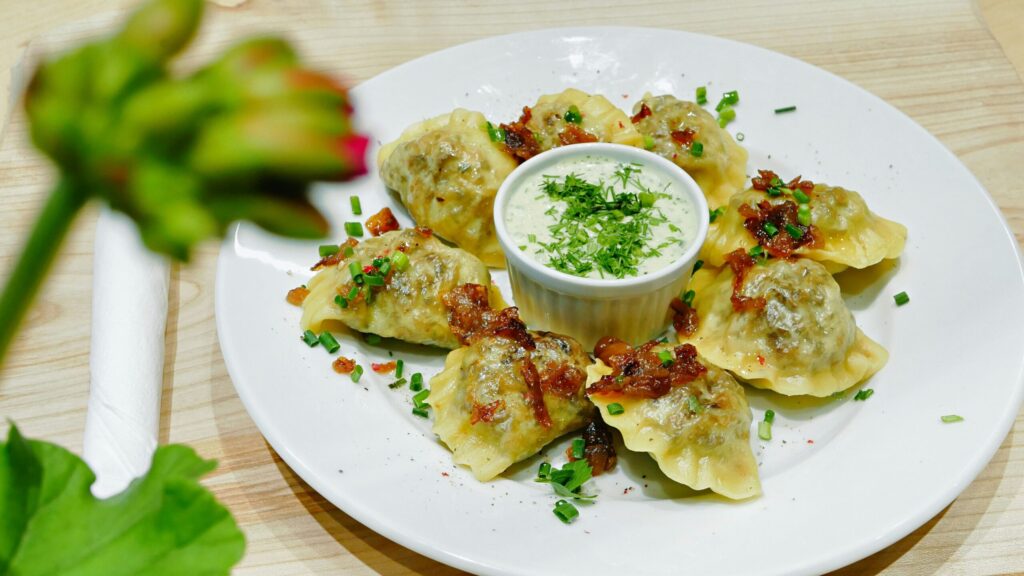
Eastern Europe
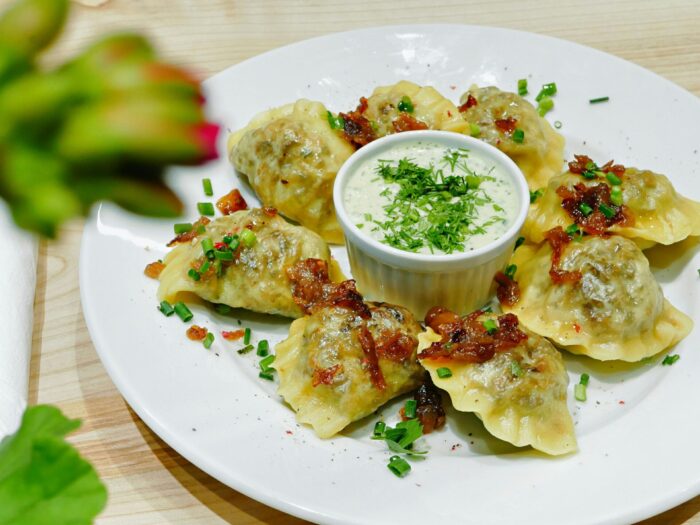
Dumplings stuffed with potato, cheese, sauerkraut, or minced meat, usually pan-fried in butter with onions until golden. Pierogi are rarely an everyday meal — they’re a “made with love” dish, often prepared in batches by multiple generations of a family in one kitchen. That communal preparation is itself part of the comfort; the dish carries the memory of who made it with you.
4. Arepas — Venezuela & Colombia
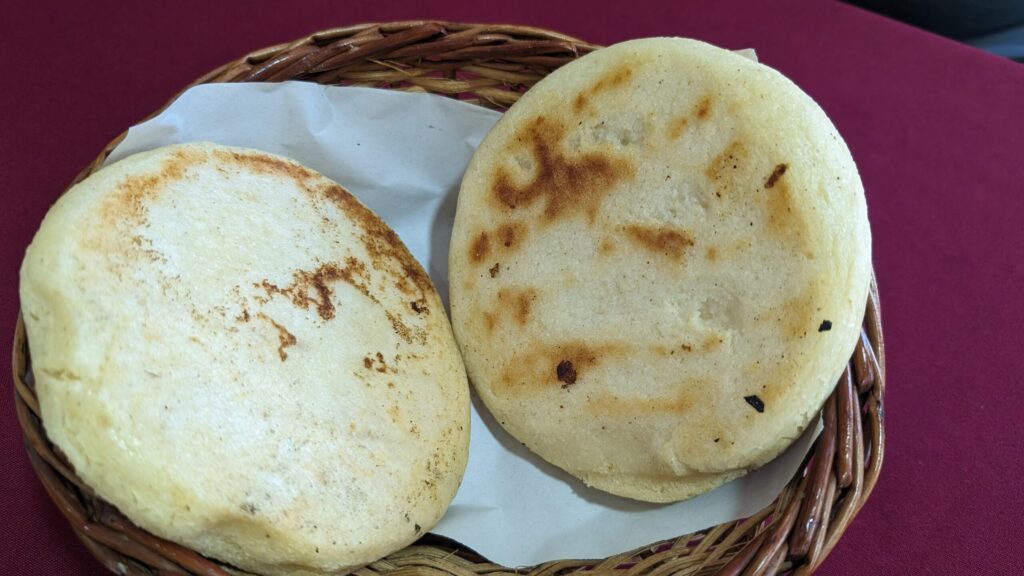
South America
Grilled or fried corn cakes, split open and stuffed with cheese, shredded meat, or beans. Unlike many comfort foods that are reserved for special occasions, arepas are eaten at nearly every meal, which makes them less about nostalgia and more about constant, reliable comfort — the food equivalent of a familiar daily routine.
5. Congee — China
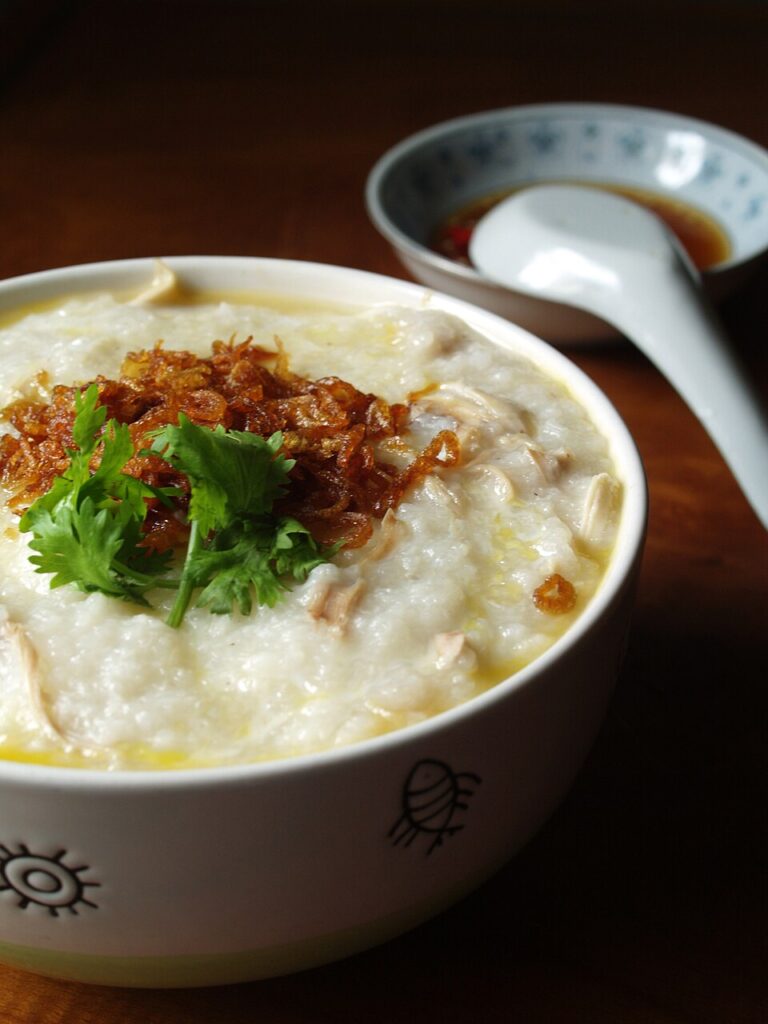
East Asia
A soft, slow-cooked rice porridge, often topped with pickled vegetables, shredded chicken, or a soft-boiled egg. Congee is frequently the first thing offered when someone is sick, tired, or recovering — it requires no chewing effort and settles the stomach. That association with care and healing is deeply embedded across Chinese, Korean, and Southeast Asian households.
6. Poutine — Canada
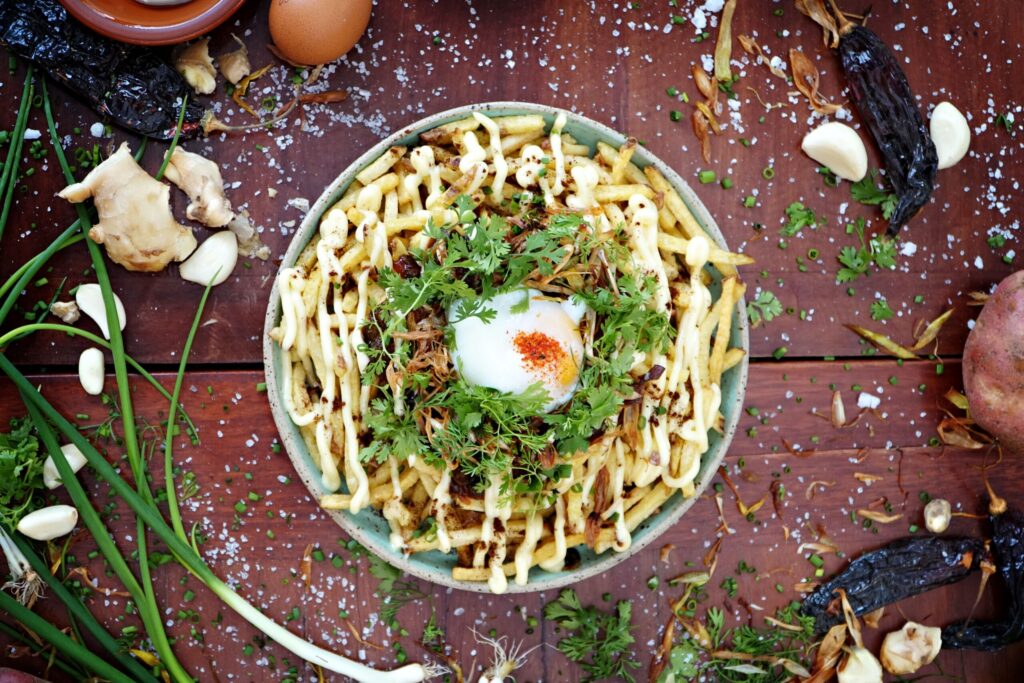
North America
Fries, brown gravy, and squeaky cheese curds, ideally eaten hot enough that the curds just barely start to melt. Indulgent and unapologetically rich, poutine began as regional Quebec street food and grew into a national symbol — proof that comfort food doesn’t need refinement to earn cultural pride.
7. Moussaka — Greece
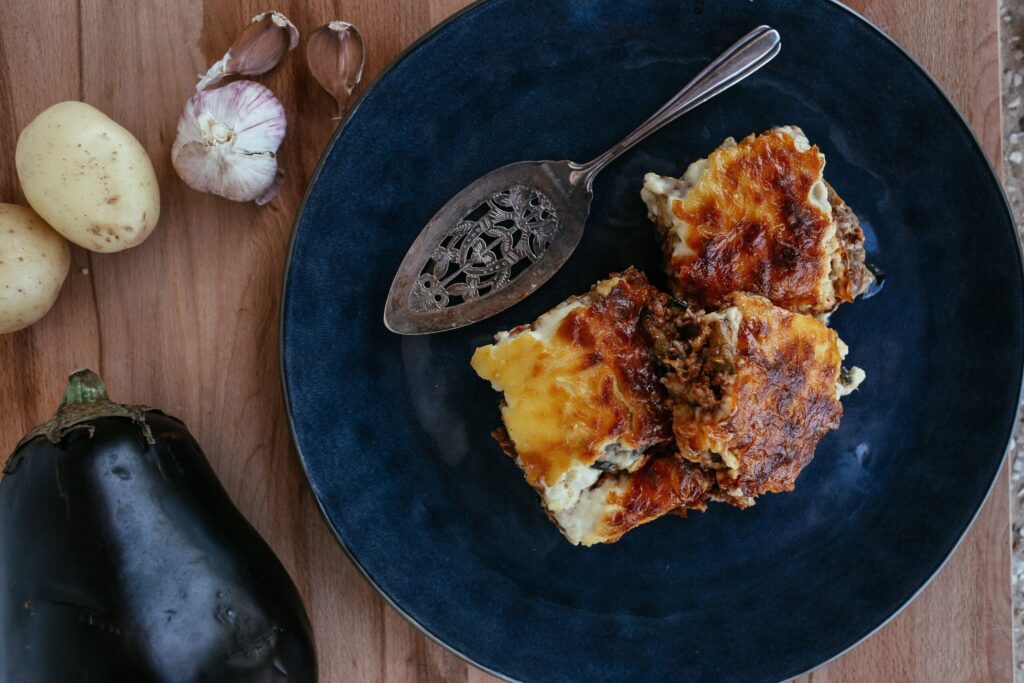
Southern Europe
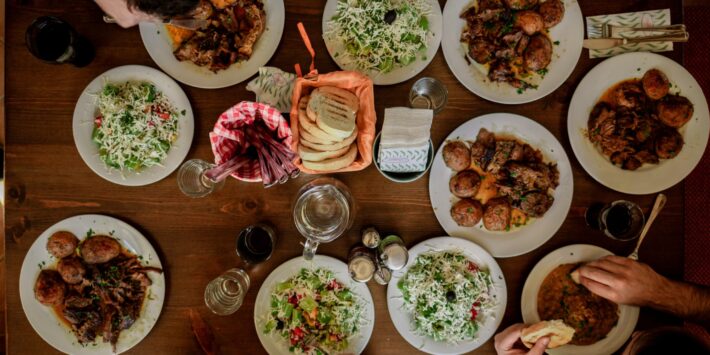
Layered eggplant, spiced ground meat, and a creamy béchamel top, baked slowly until set. Moussaka takes real time to prepare, and that effort is part of its emotional weight — it’s the kind of dish made *for* someone, tied to Sunday family meals rather than quick weekday cooking.
8. Borscht — Ukraine & Russia
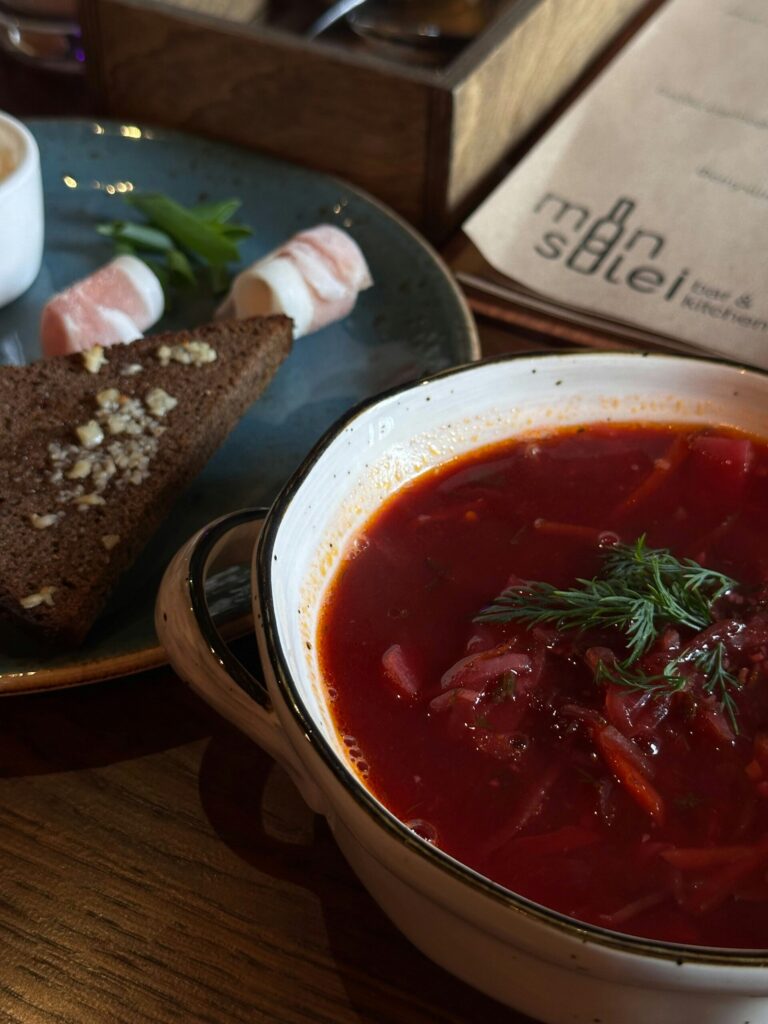
Eastern Europe
A deep red beet soup, often finished with a swirl of sour cream and fresh dill. Recipes vary from household to household, and that variation is the point — everyone believes their family’s version is the “correct” one, which makes borscht as much about identity and lineage as it is about flavor.
9. Tortilla Española — Spain
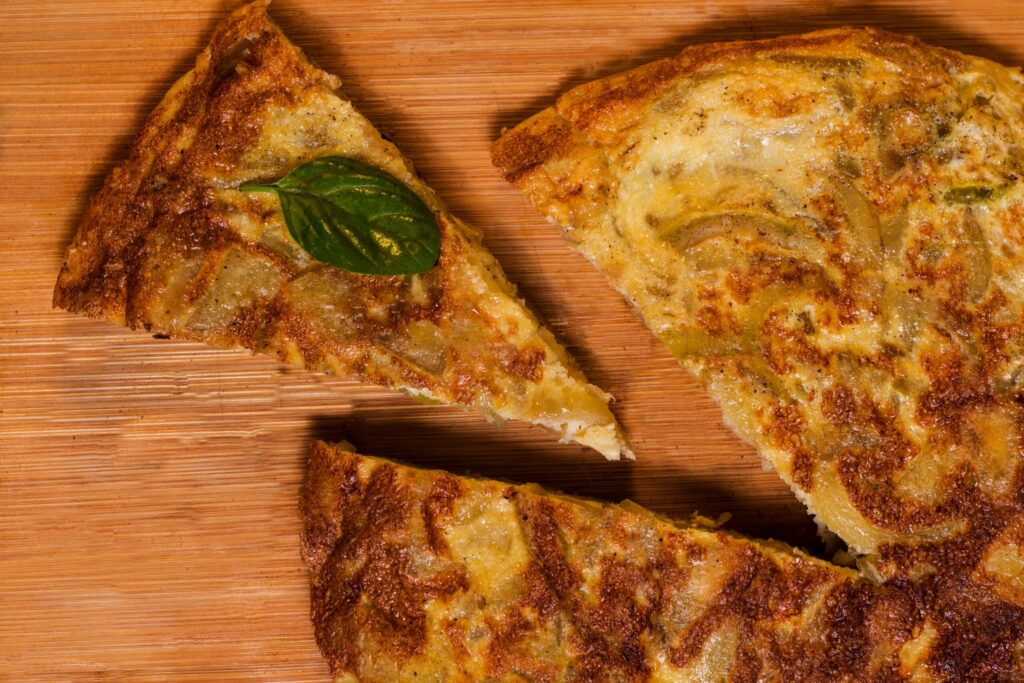
Southern Europe
A thick potato-and-egg omelet, sliced into wedges and eaten warm or at room temperature, any time of day. Built from humble pantry ingredients, it represents a different kind of comfort — not indulgence, but the reassurance that something simple, made well, is always enough.
10. Khichdi — South Asia
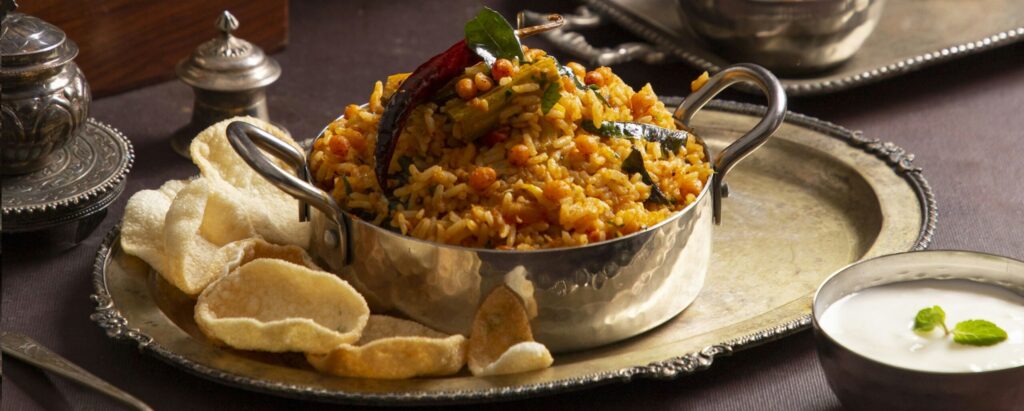
South Asia
A soft rice-and-lentil dish, gently spiced and often finished with ghee. Across South Asia, khichdi is frequently the first solid food given to babies and the dish reached for during illness or fatigue — earning it a reputation as “the food that heals” across multiple generations and cultures within the region.
Why We Crave Comfort Food: The Psychology
- Memory trigger: Comfort foods are usually tied to childhood or family — the brain links the taste to safety and love long before conscious memory forms.
- Stress relief: Carb- and fat-rich comfort foods trigger dopamine release, genuinely lowering perceived stress in the short term.
- Identity and belonging: Eating a dish from your culture reinforces a sense of who you are, especially when living far from home.
- Predictability: Comfort food rarely disappoints — familiarity itself is soothing in an unpredictable world, which is why people rarely experiment when they’re stressed.
- Social bonding: Many comfort foods (pierogi, moussaka, borscht) are traditionally made in groups, so the comfort is partly about the people, not just the plate.
Frequently Asked Questions
What is the most popular comfort food in the world?
There’s no single global winner, but rice- and noodle-based dishes (ramen, congee, khichdi) appear as comfort staples across the most cultures, likely because they’re easy to digest and adaptable to local flavors.
Why do we crave comfort food when stressed?
Comfort foods are typically high in carbohydrates and fat, which trigger dopamine release and temporarily reduce the body’s stress response — a pattern learned from childhood eating experiences.
Is comfort food the same as junk food?
Not necessarily. While some comfort foods are processed or indulgent, many — like khichdi, congee, or tortilla española — are simple, whole-ingredient dishes. The comfort comes from familiarity, not necessarily from being unhealthy.
Final Thoughts
Comfort food is proof that no matter where we’re from, we all reach for the same thing in different forms: something warm, familiar, and forgiving. Which one from this list matches your own comfort food? Let us know in the comments — and tell us which country’s comfort dish we should cover next.